

Why is the medieval fairy tale so enchanting even in our modern times? The two key archetypes in these stories are the knight and the maiden. The former represents chivalry, honour, and a pledge to service and duty. The latter: femininity, innocence, and vulnerability. We see their stories play out in distinct ways. The knight’s path manifests itself as the hero’s journey. He slays the dragon or other mythical beast, and comes home to the damsel, if he has not already rescued her from some peril. The maiden can have her own journey of growth, as she sheds her naivety and matures into an experienced more autonomous adult. We see her story culminate in her becoming a Queen in her own right.

During the life cycle of a rose, it grows from a seed to a flowering plant with a sweet aroma, but with protective thorns. Admirers can only get so close to observe its beauty, lest they be pricked. The same can be said for the maiden, protected by the physical barrier of a tower or castle, and also by the boundaries set in place to preserve her “innocence”. The knight cannot get past these until he has completed his journey and proved his worthiness to her.
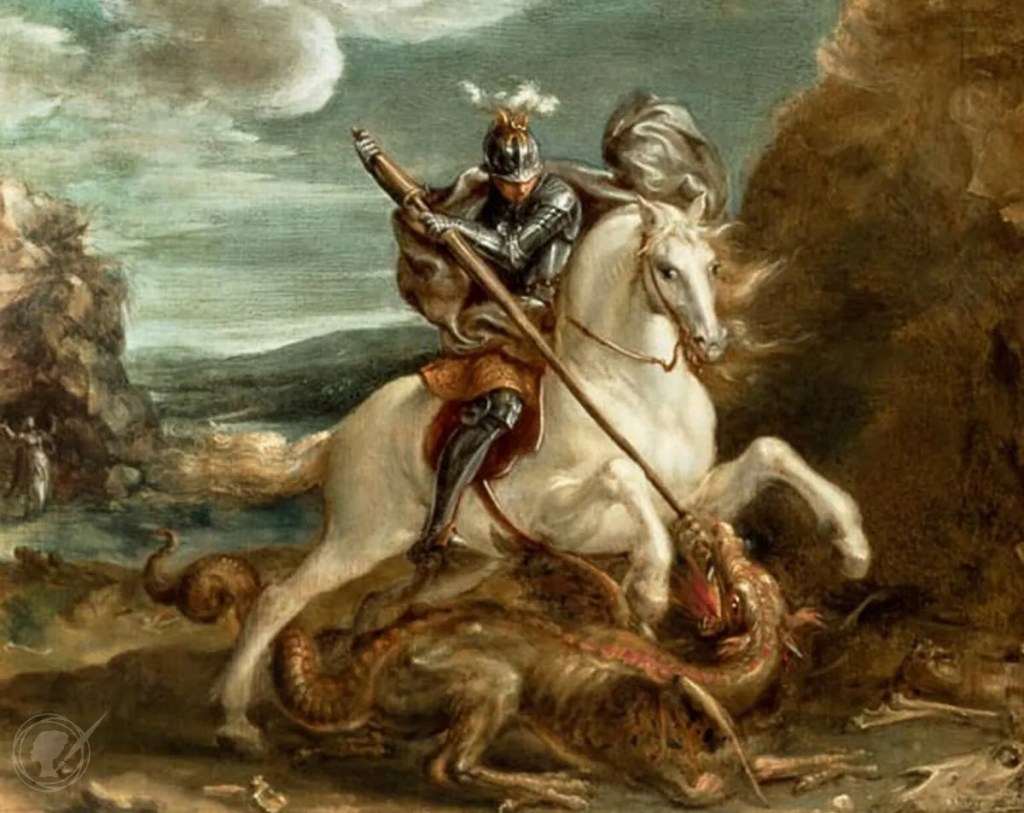
In modern life both men and women embark on journeys which echo those of these ancient archetypes. The dragon has been replaced by concepts such as moving up the career ladder and acquiring “worth” through other means reflective of present day problems. The present day woman passes through the stages of youth and innocence into that of maturity and experience. We enjoy these mythical tales because they still resonate with our own struggles and life journeys. In addition, they are consistently popular tropes in modern literature and media, a testament to their enduring relevance. May we continue to embrace these stories and use them for inspiration in the tales we write and the journeys we embark on.

 MIKA STERLING | writer
Leave a comment